



Acne scars don’t fade on their own. Once the skin’s deeper layers are damaged by inflamed acne, the structural marks left behind need clinical intervention to improve. At Sozo Aesthetic Clinic,
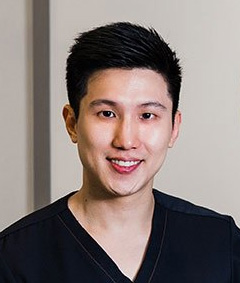
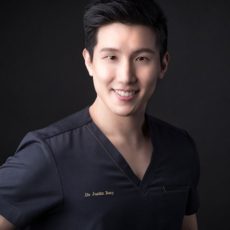
At Sozo Aesthetic Clinic, Dr Justin Boey — Medical Director, Vice President of the Society of Aesthetic Medicine (Singapore), and MOH-approved aesthetic doctor — has treated more than 2,000 acne scar cases since 2018. He trained at Harvard Medical School, the National Skin Centre, and Queen Mary University of London, and is a certified physician trainer for Galderma, Vivacy, and Sinclair.
There is no single best treatment for every scar. Dr Boey assesses each patient individually and builds a personalised combination plan using more than eight available treatment modalities. Sessions typically run 30 to 45 minutes. Most patients achieve 50–70% improvement over the course of treatment, with the majority reaching 70–80%.
Book a Consultation with Dr Justin BoeyBook Consultation ·WhatsApp 9610 5102·All Acne Scar Types
Acne Scar Treatments We Offer
| Treatment | Best For | Downtime |
|---|---|---|
| Chemical Peels (Light) | Mild pigmentation, surface texture | 0–2 days |
| Pico Laser | Brown scars, shallow rolling scars | 1–3 days |
| Chemical Peels (Medium) | Acne scars, deeper pigmentation | 3–7 days |
| TCA Cross | Ice-pick scars | 5–7 days |
| Subcision | Rolling and tethered scars | 5–7 days |
| Fractional Pico / EdgeOne CO₂ | Shallow to moderate rolling and boxcar scars | 2–7 days |
| Polynucleotide (PN) | All scar types; pairs with laser or subcision | 2–5 days |
| EndyMed Nano-Fractional RF | Shallow rolling scars, surface irregularities | 1–3 days |
| Dermal Fillers | Rolling and depressed boxcar scars | 1–3 days |
| Enerjet 2.0 | Rolling and anchored scars | 2–4 days |
| INFINI Fractional RF | Deep rolling and atrophic scars | 3–5 days |
Subcision
Rolling scars are caused by fibrous tissue anchored beneath the skin’s surface, pulling it downward. Lasers alone won’t resolve this — the tethering must be addressed first.
With subcision, a fine needle is inserted beneath the scar to release these fibrous bands. As the area heals, the natural collagen response helps lift the base of the scar. You will see visible improvement after each session. Downtime is 5–7 days of bruising, which is manageable for most patients.
Doctor’s Note:
“I believe in precise and personalised treatment for your skin condition.”
— Dr Justin Boey, Medical Director, Sozo Aesthetic Clinic
Fractional CO2 Laser
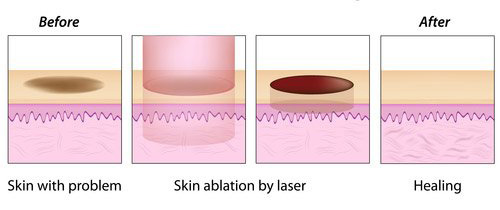
The fractional CO₂ laser creates controlled columns of heat energy within the skin — known as micro-thermal ablation zones — removing small sections of damaged tissue while stimulating collagen and elastin production in the surrounding skin. It penetrates into the dermis, making it effective for scars with depth: boxcar and ice-pick types in particular.
Downtime is 5–7 days as the skin resurfaces. Sessions run 30 to 45 minutes. Multiple sessions are typically recommended for optimal results.
Pico Laser
Pico lasers emit ultra-short pulses of energy — measured in picoseconds (trillionths of a second) — that target scar tissue through a photomechanical effect rather than heat. This causes less damage to surrounding tissue and results in shorter downtime of 1–3 days. Pico lasers are well suited to superficial scars, post-inflammatory pigmentation, and skin texture.
RF Microneedling
RF microneedling — available at Sozo Clinic through devices including INFINI — combines fine insulated needles with radiofrequency energy to stimulate tissue remodelling at depth. The micro-injuries trigger the skin’s natural repair response; the RF energy drives collagen production deeper in the dermis. It is particularly effective for rolling and shallow boxcar scars. Downtime is 1–3 days.
Dermal Fillers
Where acne scars have caused volume loss beneath the skin’s surface, dermal fillers — including Restylane, Juvederm, and Rejuran S — can be injected to physically elevate depressions. While fillers are temporary, they also stimulate the skin’s collagen production, contributing to lasting improvement. They are most effective when combined with subcision, which first releases the fibrous bands holding the scar down. Downtime is typically 1–3 days of mild swelling or bruising.
Combination Protocols
Acne scar treatment is a process. Sticking with one treatment is often inadequate — different scar types respond to different mechanisms, and combining treatments in a single session addresses multiple depths and characteristics at once.
Sozo Clinic’s 360° protocol sequences treatments in a specific order for maximum effect:
- Subcision and dermal filler — to release tethered rolling scars and restore lost volume
- RF microneedling via INFINI — for deep collagen remodelling, reaching up to 3.5mm into the dermis
- Fractional CO₂ or Pico laser — for superficial resurfacing of the skin’s outer layers
- TCA Cross — for ice-pick scars requiring targeted channel treatment
Sozo Clinic reports that 85% of patients who undergo 5–8 sessions of this protocol achieve up to 90% improvement in their acne scars. Dr Boey routinely combines up to three of these modalities in a single visit, tailored to each patient’s scar profile, skin type, and recovery window.
This is why Sozo maintains one of the most comprehensive acne scar treatment suites in South-East Asia. Most clinics without a dedicated scar specialisation will not carry the full range of technologies the combined protocol requires.
Which Treatment Is Right for Your Scar Type?
Scar type determines which treatment — or combination — will deliver the best results. To understand your scar types in more detail, see the acne scars guide. Here is how common scar types are approached at Sozo Clinic.
| Scar Type | Recommended Treatment(s) | Why |
|---|---|---|
| Ice pick | TCA Cross / Pico Laser | Deep, narrow channels require targeted chemical or photomechanical energy. Surface lasers cannot reach them effectively. |
| Boxcar | Fractional CO₂ / RF Microneedling | Broad, defined scar edges respond to collagen stimulation at depth. Deeper scars need ablative energy, while shallower ones benefit from RF. |
| Rolling | Subcision + Dermal Filler | Fibrous bands pull the skin downward. Subcision releases them, while filler restores volume and supports the lifted skin as collagen forms. |
Ice Pick Scars
Ice pick scars are narrow and deep, extending into the dermis in a V-shape. Surface lasers have limited effect because the scar channel is too narrow to treat broadly. TCA Cross — a targeted application of trichloroacetic acid placed directly into the scar with a fine applicator — causes controlled collagen formation from within the channel, gradually widening and filling it. Pico laser is sometimes used alongside TCA Cross to address associated pigmentation or texture.
Downtime for TCA Cross is approximately 5–7 days as the treated spots form small scabs and heal.
Boxcar Scars
Boxcar scars have defined, near-vertical edges and a flat or slightly rounded base. Their characteristic stamped appearance results from collagen loss within the scar walls.
Fractional CO₂ laser is effective for deeper boxcar scars — it resurfaces the skin and drives collagen remodelling within the scar walls. RF microneedling is used for shallower boxcar scars where less surface disruption is preferable. In some cases both are combined across a course of treatment.
Rolling Scars
Rolling scars result from fibrous scar tissue anchored beneath the skin’s surface. This tethering creates broad, wave-like depressions that become more pronounced when the skin is stretched. Lasers alone will not resolve rolling scars — the underlying fibrous bands must be addressed first.
Subcision releases these bands using a fine needle inserted beneath the scar. Dermal filler is typically combined to restore the volume lost and support the lifted skin as new collagen forms underneath. This combination is one of the most effective approaches available for deep rolling scars.
Our Treatment Protocol
Every patient at Sozo Clinic follows a structured four-stage process designed to deliver consistent, measurable outcomes.
Assessment
The first step is a one-on-one consultation with Dr Justin Boey. Scar assessment at Sozo goes beyond what is visible on the surface — scars are manually palpated to determine depth, the extent of fibrous tethering, and how each scar type responds to pressure. This clinical approach means treatment decisions are based on the actual scar characteristics, not just their appearance under lighting.
Plan
Based on the assessment, Dr Boey builds a personalised treatment plan. This specifies which treatments to combine, the order of procedures, session frequency, expected downtime per session, and a realistic projection of improvement. Every plan takes into account the patient’s lifestyle, budget, and recovery preferences. There is no fixed package — the plan is built around you.
Sessions
Session length depends on the procedures involved. Sessions that include subcision or fractional laser treatment typically run 60–90 minutes. Lighter procedures such as chemical peels or microneedling take approximately 30 minutes. Dr Boey commonly combines up to three treatment types in a single visit to address multiple scar depths simultaneously. Subcision is performed manually; regenerative injectables such as Rejuran S are administered in micro-droplets by hand — precision that takes significantly longer than a standard laser pass but delivers meaningfully better outcomes.
Most treatment plans involve 3–6 sessions, spaced 4–6 weeks apart to allow recovery and collagen remodelling to progress between visits.
Review
Progress is assessed between sessions and the treatment plan is adjusted where needed. Most patients can expect an average improvement of 50–70% over the course of treatment, with the majority of cases reaching 70–80%. The degree of improvement depends on scar type, skin response, and adherence to the recommended protocol.
Doctor’s Note:
“I look forward to helping you achieve your best self.”
— Dr Justin Boey, Medical Director, Sozo Aesthetic Clinic
Before and After Your Treatment
- The type and depth of acne scars present — ice pick, boxcar, and rolling scars each respond differently to treatment
- Skin type, tone, and the skin’s natural healing and collagen response
- The number of sessions completed and the specific combination of treatments used
- Adherence to pre- and post-treatment care guidelines between sessions
In accordance with the Ministry of Health (MOH) advertising guidelines for licensed aesthetic clinics in Singapore, before-and-after images and patient testimonials implying specific outcomes are not displayed on this page. Results are individual and cannot be guaranteed.
What to Expect at Your Consultation
Acne scar treatment at Sozo Clinic begins with a thorough medical consultation. There are no pre-set packages. The consultation is the starting point for building a plan specific to your skin — and you are under no obligation to proceed on the day.
Medical History Review
Medical History Review
The consultation opens with a review of your skin background. Dr Boey will ask about previous acne treatments — topical products, oral medications, lasers, or peels — because past therapies influence skin sensitivity and healing response. A history of isotretinoin use or recent sun exposure, for example, may affect the timing of energy-based procedures. Any tendency for keloid formation, ongoing skin infections, uncontrolled active acne, or use of photosensitising medications will also be discussed at this stage as these affect treatment suitability.
Scar Assessment and Skin Typing
Scar Assessment and Skin Typing
Scar assessment at Sozo goes beyond visual inspection. Dr Boey palpates the skin to detect fibrous tethering beneath the surface, determine scar depth, and establish whether subcision or other release techniques are appropriate. This hands-on evaluation is what separates an accurate scar diagnosis from one based on photographs alone.
Your skin type is also assessed using the Fitzpatrick scale. This classification guides the choice and intensity of lasers or chemical peels to minimise the risk of post-inflammatory pigmentation — particularly important for medium to darker skin tones. Scar types identified at consultation may include ice pick, boxcar, and rolling scars, as well as hypertrophic or keloid scars, post-inflammatory hyperpigmentation (PIH), and post-inflammatory erythema (PIE) where present.
Treatment Planning
Treatment Planning
Following assessment, Dr Boey builds a personalised treatment plan. This specifies which treatments to combine, the order of procedures, session frequency, expected downtime, and a realistic projection of improvement. Combination approaches are standard — different treatments address different scar depths and characteristics, and relying on a single modality rarely delivers optimal results.
Before finalising the plan, Dr Boey checks for contraindications that may influence timing or require adjustment: uncontrolled active acne, skin infections, keloid tendency, or recent photosensitising medication use. In some cases, a patch test may be performed before energy-based treatments or chemical peels.
Pre-Treatment Care
Pre-Treatment Care
To prepare your skin before each session:
- Avoid active skincare ingredients — retinoids, AHAs, and BHAs — for at least 3–5 days beforehand
- Minimise sun exposure and avoid tanning in the days leading up to treatment
- Inform the clinic of any recent procedures, new skincare products, or medications
A topical anaesthetic (numbing cream) is applied before most procedures — including laser therapy, microneedling, and subcision — to ensure comfort during treatment.
Post-Treatment Aftercare
Post-Treatment Aftercare
Aftercare plays a significant role in treatment outcomes. After each session:
- Use gentle cleansers — avoid scrubs and exfoliants
- Keep the skin hydrated with barrier-repair moisturisers
- Apply broad-spectrum sun protection daily
- Avoid intense physical activity, hot showers, and saunas for at least 24–48 hours
Recovery masks containing antioxidants and growth factors can help speed healing and improve final results. Aftercare products are typically $37–$110 per cycle and should be factored into overall treatment costs.
Downtime by Treatment
Downtime by Treatment
Downtime varies depending on the procedures performed:
- Fractional CO₂ laser: redness, mild swelling, and flaking for 3–7 days
- Subcision: bruising, swelling, and tenderness for 2–10 days
- RF microneedling and chemical peels: redness and peeling for 2–5 days
- Pico laser: typically 1–3 days
- TCA Cross: small scabs at treated spots, resolving over 5–7 days
When procedures are combined in a single session, overall downtime is governed by the most intensive treatment in the plan. Dr Boey will discuss what to expect before each visit and may schedule follow-up appointments to monitor healing and adjust the plan.
Acne Scar Treatment Cost in Singapore
- Mild to moderate scarring: $1,800–$3,500
- Severe scarring: $3,500–$7,000
| Treatment | Starting From | Typical Downtime |
|---|---|---|
| Chemical Peels (Light) | $99/session | 0–2 days |
| Pico Laser | $150/session | 1–3 days |
| Chemical Peels (Medium) | $300/session | 3–7 days |
| TCA Cross | $300/session | 5–7 days |
| Subcision | $400/session | 5–7 days |
| Fractional Pico / EdgeOne CO₂ | $450/session | 2–7 days |
| Polynucleotide (PN) | $500/session | 2–5 days |
| EndyMed Nano-Fractional RF | $500/session | 1–3 days |
| Dermal Fillers | $600/syringe | 1–3 days |
| Enerjet 2.0 | $800/session | 2–4 days |
| INFINI Fractional RF | $850/session | 3–5 days |
Additional costs to account for include a consultation fee (typically $38–$300, sometimes offset against your first treatment) and post-treatment aftercare products ($37–$110 per cycle). Costs also vary based on clinic location, device quality, and the complexity of your treatment protocol. For a full breakdown of how pricing is structured by scar type, session count, and treatment combination, see the acne scar treatment cost page.
Our Certified Acne Scar Doctor

Dr. Justin Boey
Dr Justin Boey is a dedicated medical practitioner trained in the latest technologies to remove acne scars and has treated over 2,000 acne scar cases since 2018 for both men and women. His expertise lies in skin conditions and aims to help you achieve clear, healthy skin with minimal downtime.
Call us today to book an appointment for your acne scar treatment!
FAQ
Are acne scars permanent?
Deep atrophic acne scars — rolling, boxcar, and ice pick — do not resolve on their own once they have formed. Topical products may improve the appearance of surface pigmentation, but structural scarring requires clinical treatment to improve. With the right combination of procedures, most patients achieve significant and lasting improvement.
How many sessions will I need?
The number depends on scar severity, type, and how your skin responds to treatment. Mild cases may show meaningful improvement in two to three sessions. Moderate to severe scarring typically requires four or more. Dr Boey will give you a personalised estimate at your initial consultation.
What is the downtime for acne scar treatment?
Downtime varies by treatment: pico laser and RF microneedling require 1–3 days; fractional CO₂ laser causes 3–7 days of redness and flaking; subcision typically involves 2–10 days of bruising and swelling; TCA Cross treated spots form small scabs that resolve over 5–7 days. When treatments are combined in a single session, overall downtime is governed by the most intensive procedure performed.
Is the treatment painful?
The procedures involve some discomfort, particularly with ablative laser treatments. Topical anaesthetic is applied before most sessions to manage this. Most patients find the experience manageable and do not require sedation or anaesthesia.
Can I treat active acne and acne scars at the same time?
Active acne should be brought under control before scar treatment begins. Treating scars over skin with ongoing breakouts increases the risk of new scarring. Dr Boey will assess your skin at consultation and recommend the appropriate sequence if active acne is present.
What improvement can I expect?
Most patients achieve an average improvement of 50–70%. For the majority of cases, improvement reaches 70–80%. The outcome depends on scar type, skin type, and adherence to the recommended treatment protocol.
How long do results last?
Results from collagen-stimulating treatments such as fractional CO₂ laser and RF microneedling are long-lasting — the structural collagen formed during healing is permanent. Dermal fillers are temporary and may need topping up over time, though the collagen stimulation they trigger also contributes to lasting improvement.
How is Sozo Clinic different from other clinics?
Most clinics carry one or two laser types. Sozo Clinic maintains a comprehensive suite of more than eight treatment modalities specifically for acne scar treatment. Dr Boey’s 360° approach combines technologies in a single session based on each patient’s scar profile — not a standard package. He has also treated more than 2,000 acne scar cases since 2018 and is an MOH-approved aesthetic doctor with published research in peer-reviewed journals.
Can old acne scars — even those formed years ago — be treated?
Yes. Acne scars can be improved regardless of how long they have been present, including scars formed more than a decade ago. Older scars are generally harder to treat and may require more sessions than recently formed scars, but meaningful improvement is still achievable. Sozo Clinic has treated a significant number of patients with scars that developed more than 10 years prior.
What skincare should I avoid before and after treatment?
Before treatment: stop using retinoids, AHAs, and BHAs at least 3–5 days beforehand, and minimise sun exposure. After treatment: use only gentle cleansers, avoid scrubs and exfoliants, apply a barrier-repair moisturiser, and use broad-spectrum SPF daily. Avoid intense exercise, hot showers, and saunas for at least 24–48 hours post-procedure. Recovery masks with antioxidants and growth factors can also help speed healing and improve final results.
Book a Consultation
To find out which acne scar treatments are right for your skin, book a one-on-one consultation with Dr Justin Boey at Sozo Aesthetic Clinic.
References
Clinical Studies
- Alam M, Omura N, Kaminer MS. Subcision for acne scarring: technique and outcomes in 40 patients. Dermatol Surg. 2005;31(3):310–317. pubmed.ncbi.nlm.nih.gov/15841638
- Zhang DD, Zhao WY, Fang QQ, et al. The efficacy of fractional CO₂ laser in acne scar treatment: a meta-analysis. Dermatol Ther. 2021;34(1):e14539. pubmed.ncbi.nlm.nih.gov/33190373
- Niaz G, et al. Fractional radiofrequency microneedling as a monotherapy in acne scar management: a systematic review. Clin Cosmet Investig Dermatol. 2025;18:19–29. pubmed.ncbi.nlm.nih.gov/39781098
- Nazari S, et al. Polydeoxyribonucleotide in skincare and cosmetics: mechanisms, therapeutic applications, and advancements beyond wound healing and anti-aging. J Skin Stem Cell. 2025;12(1):e159728. brieflands.com/journals/jssc/articles/159728
- Taher S, et al. Advances in the treatment of acne scars. Front Med. 2025. frontiersin.org/journals/medicine/articles/10.3389/fmed.2025.1643035/full
Official Singapore Guidelines
- Singapore Medical Council. Guidelines on Aesthetic Practices for Doctors (2016 Edition). Academy of Medicine Singapore, College of Family Physicians Singapore, and Singapore Medical Council. smc.gov.sg — Guidelines on Aesthetic Practices for Doctors
- Health Sciences Authority (HSA) Singapore. Regulatory Guideline for Aesthetic-Related Devices. Medical Device Branch, HSA. hsa.gov.sg — Aesthetic-Related Device Guidelines (2018)