


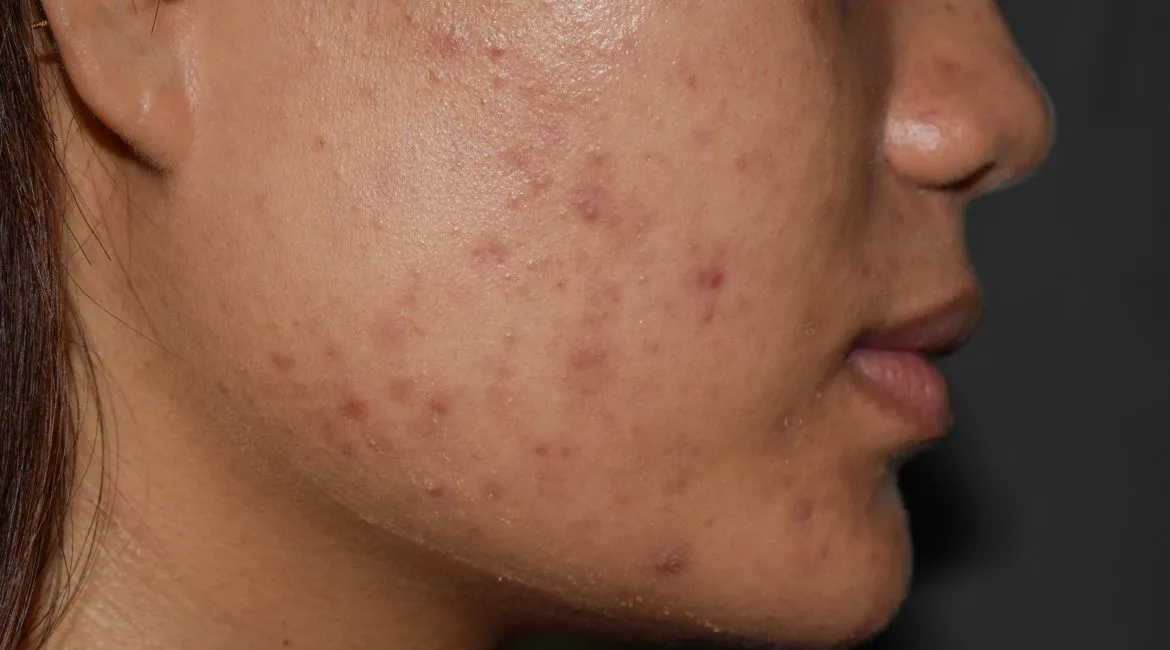
PIH after laser can appear even when the treatment goes well, showing up as dark patches that take longer to fade than expected.
This happens when the skin produces excess melanin in response to heat or inflammation from the procedure.
Some skin types are naturally more prone to pigmentation, which makes them more likely to develop PIH after irritation. Although PIH is temporary, it needs proper care to lighten effectively.
In this article, we explain what you should do when pigmentation appears after a laser treatment and how you can support your skin’s recovery.
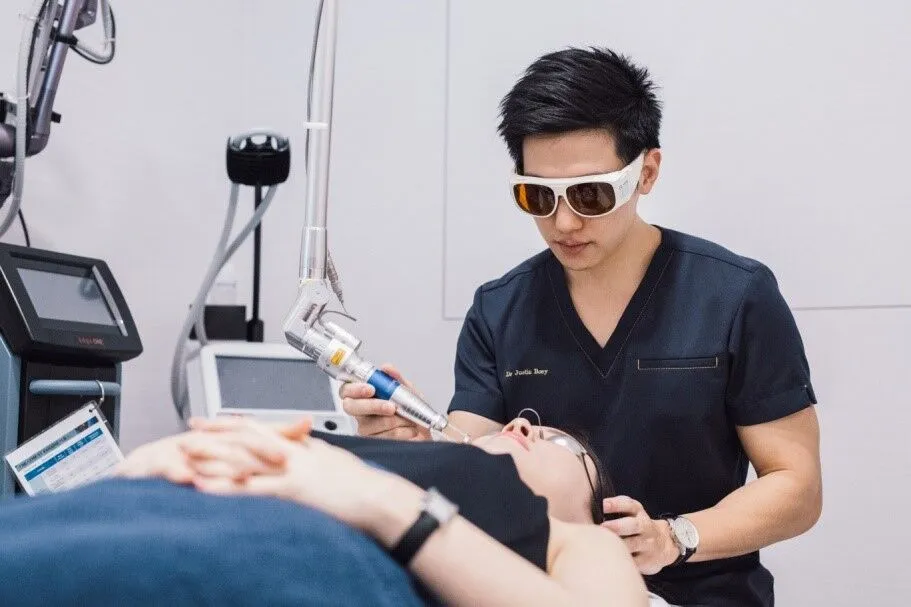 Laser treatments can target pigmentation directly by breaking down excess melanin. They are typically used when topical treatments and peels are not enough or when PIH is deeper in the skin.
What is Post‑Inflammatory Hyperpigmentation (PIH)?
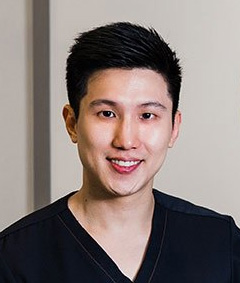
Post-inflammatory hyperpigmentation (PIH) is the darkening of the skin that occurs after injury or inflammation, such as following a laser treatment. It happens when the skin produces excess melanin as part of the healing process. PIH typically appears as dark spots and is more common in darker skin tones. PIH may improve gradually over time with appropriate care and monitoring. Treatment options include topical products like hydroquinone, vitamin C, and retinoids, as well as chemical peels or lasers.Dr. Justin Boey shares an important insight on PIH:
“PIH is a spot diagnosis. Thereafter, careful evaluation of the pigment depth and extent allows us to create a personalised treatment plan. Early identification improves treatment outcomes because we can treat the problem at its infancy.”
Causes of PIH After Laser Treatment
PIH develops when the skin produces too much melanin as part of its post-laser inflammatory response. Several factors increase this risk. Here are the different causes of PIH after laser treatment:- Skin Type: Darker skin tones (Fitzpatrick types IV-VI) are more prone to developing PIH due to higher melanin production.
- Aggressive Laser Settings: High-energy or inappropriate laser settings can cause excessive skin trauma, increasing the risk of PIH.
- Improper Aftercare: Failing to follow post-treatment instructions, such as picking at scabs or neglecting sunscreen, can worsen PIH.
- Sun Exposure: Exposure to sunlight after treatment can darken PIH spots and delay the healing process.
- Skin Sensitivity: Individuals with more sensitive skin may experience a stronger inflammatory response, leading to higher chances of developing PIH.
- Inadequate Healing Time: Rushed or improper healing can cause the skin to overproduce melanin as it recovers from treatment.
How to Prevent PIH Before Laser Treatment
Preventing PIH starts before your laser treatment. By taking the right precautions in the weeks leading up to the procedure, you can reduce the risk of PIH. Below, we outline key steps to prepare your skin for a safe, effective treatment with minimal pigmentation issues.Prepare Your Skin Pre-Treatment
Start preparing your skin 2–4 weeks before the treatment by using hydroquinone or retinoids. These help even out skin tone and reduce excess pigmentation. Keeping your skin hydrated and avoiding irritants may help support a smoother recovery after treatment.Choose the Right Laser Treatment
Selecting the appropriate laser treatment is crucial for preventing PIH. Work with an experienced provider who tailors the laser settings to your skin type. For certain skin types, shorter-pulse lasers may be considered because they deliver energy differently and may be more suitable in some situations compared to more aggressive treatments.Choose an Experienced Doctor/Clinic
Selecting an experienced doctor is crucial to prevent PIH. At Sozo Aesthetic Clinic, all procedures are performed by Dr. Justin Boey, a highly qualified Medical Director with extensive training in aesthetic medicine. He holds an MBBS from the National University of Singapore and has advanced training from esteemed institutions like Harvard Medical School and the National Skin Centre. Dr. Boey specialises in non-surgical aesthetics and is particularly skilled in laser treatments like the PicoPlus laser, which may help reduce the risk of PIH. His expertise and personalised approach ensure that every treatment is tailored to your unique skin needs, providing safe and effective results.4 Treatments for PIH After Laser Treatment
Despite careful preparation, PIH can still occur after laser treatment. When it does, early management helps fade pigmentation more effectively. Here are the different treatments for PIH:1. Topical Treatments for PIH
Topical treatments are often the first step in fading pigmentation. They work by reducing melanin production, increasing cell turnover, or brightening the skin.- Hydroquinone: Hydroquinone is sometimes prescribed to help manage pigmentation concerns and should be used under medical supervision.
- Retinoids: Retinoids like tretinoin speed up skin cell turnover, helping to disperse melanin. They can cause initial irritation, so start slowly and always use sunscreen.
- Azelaic Acid: Inhibits melanin production and is gentle on sensitive skin. It’s also anti-inflammatory, making it ideal for treating both PIH and acne.
- Kojic Acid: A natural alternative to hydroquinone, it helps lighten skin by inhibiting melanin production. It can cause mild irritation in sensitive skin types.
- Niacinamide: Known for its anti-inflammatory properties, niacinamide helps reduce pigmentation and even skin tone without irritation, making it suitable for most skin types.
- Vitamin C: A powerful antioxidant that brightens the skin and inhibits melanin production, reducing dark spots and improving overall skin tone.
- Alpha Hydroxy Acids (AHAs): Glycolic acid increases exfoliation, helping to remove pigmented skin cells and improve overall skin texture, revealing more even skin tone.
2. Chemical Peels for PIH
Chemical peels are sometimes used to support exfoliation and renewal of the skin surface and removing pigmented surface cells. They vary in strength and are chosen based on your skin type and the severity of pigmentation.- Glycolic Acid Peels: Increase exfoliation to remove pigmented cells and reveal a brighter, more even skin tone. Suitable for most skin types.
- Lactic Acid Peels: A gentler option that lightens pigmentation without causing irritation, ideal for sensitive skin.
- TCA Peels: A deeper peel used for more stubborn PIH. It breaks down pigmented areas and encourages new skin regeneration.
- Salicylic Acid Peels: Helpful for PIH linked to acne due to its anti-inflammatory and exfoliating properties.
- Mandelic Acid Peels: Mild and antimicrobial, making them suitable for darker skin tones and those prone to irritation.
3. Laser Treatments for PIH
Laser treatments can target pigmentation directly by breaking down excess melanin. They are typically used when topical treatments and peels are not enough or when PIH is deeper in the skin.
- Pico Lasers (e.g., PicoWay, PicoSure): Use ultra-short pulses to shatter pigment into tiny particles without damaging surrounding skin. Can be effective for PIH and safe for various skin tones.
- Q-Switched Lasers: Deliver high-energy pulses that break down melanin, making them suitable for deeper pigmentation.
- Fractional CO2 Laser: Resurfaces the skin and removes damaged layers that hold pigment. It can also improve texture issues that accompany PIH.
- Nd:YAG Laser: Penetrates deeper into the skin and is often preferred for darker skin tones due to its lower risk of triggering further pigmentation.
As Dr. Justin Boey suggests:
Typically 5–10 sessions are required. This treatment has minimal downtime.
Typically 5–10 sessions are required. This treatment has minimal downtime.
4. Microneedling for PIH
Microneedling helps reduce PIH by stimulating collagen production and encouraging the skin to renew itself. The controlled micro-injuries created during treatment help break down excess pigmentation while improving overall texture.- Traditional Microneedling: Microneedling encourages gradual skin renewal, which may support improvement in overall skin appearance.
- Microneedling with PRP: Adds platelet-rich plasma to enhance healing and regeneration. The growth factors in PRP can further improve pigmentation and support faster recovery.
How to Prevent PIH After Laser Treatment
Preventing PIH after laser treatment starts with proper aftercare. Simple, consistent actions help your skin heal well, reduce pigmentation, and support an even, healthy recovery. Here are the steps to follow after your laser treatment:- Follow post-treatment care instructions: Keep the treated area clean and avoid touching, picking, or scratching the skin. Irritation increases the risk of pigmentation. Apply any prescribed creams or serums exactly as instructed to support healing.
- Use sunscreen consistently: Apply broad-spectrum sunscreen with SPF 30 or higher every day, even when indoors or on cloudy days. Reapply every two hours if you are outside. Sun protection prevents darkening of PIH and protects healing skin.
- Stay out of direct sun exposure: Avoid direct sunlight for at least two weeks after treatment. If you must be outdoors, wear protective clothing, a wide-brimmed hat, and sunglasses to minimise UV exposure.
- Keep your skin moisturised with gentle products: Hydrated skin heals more effectively. Use a gentle, fragrance-free moisturiser to support your skin barrier. Avoid harsh or heavily fragranced products that may trigger irritation.
- Avoid heat, sweating, and intense skincare: Heat and sweating can worsen inflammation and pigmentation. Skip saunas, hot tubs, and intense workouts for 48 hours. Avoid active ingredients like retinoids or AHAs until your skin has fully recovered.
