



Planning a trip for a treatment can quickly feel overwhelming, especially when you try to understand international patient protocols while sorting out flights, recovery time, and your stay in Singapore.
You may be gathering medical records, waiting for replies from clinics, comparing costs, and checking whether your travel dates allow enough time for treatment and recovery.
This article explains what to prepare before travelling, what a clinic may need to review, and what to plan before your return flight home.
Let’s make everything easier to understand before you arrive.
What International Patients Must Prepare Before Travelling
Getting ready early takes a lot of the stress out of treatment abroad. It also gives the clinic enough basic information to understand your case before you arrive.
There are four main things to get in order:
- Personal and travel details. Passport, travel dates, how long you’re staying, return flight, where you’ll be staying, and your budget.
- Medical information. Gather your health records, medical history, allergies, current medicines, supplements, and details of previous treatments.
- Treatment details. What you’re coming in for, what you’re hoping to achieve, notes about the treatment area, and photos if the clinic asks for them.
- Contact and support details. Provide working phone number, email address, emergency contact, someone local who can help if needed, and your insurance information.
Entry, Visa, and Stay Requirements in Singapore
Before you confirm your trip, check that your entry details match your treatment plan. It is much easier to fix timing now than to scramble with visa issues or rush home while you’re still healing.
According to the Immigration and Checkpoints Authority, visitors must meet entry requirements and are granted a Short-Term Visit Pass based on their travel purpose and eligibility.
Here is what to check before you go:
- Passport validity. Your passport should have at least six months of validity remaining after arrival.
- Visa requirement. Check whether your nationality needs a visa before you travel to Singapore.
- Short-Term Visit Pass. This generally allows a limited stay for tourism or medical visits.
- Length of stay. Ensure your allowed stay covers both your surgery and enough extra time for a safe recovery.
- Return or onward ticket. Keep a proof of your flight itinerary, as immigration officers ask for proof of return flight before you enter Singapore.
- SG Arrival Card. Submit your arrival and health declaration online within three days before arrival.
- e-Pass. After clearing immigration, your visit pass is sent by email instead of stamped in your passport.
- Extension of stay. You can ask to extend your visit pass if you need to, along with any necessary documents.
Documents and Medical Information Required Before Travelling
Before confirming your appointment, prepare the details the clinic may need to review your case. Getting these details sorted now saves you from a lot of back-and-forth once your trip is actually booked.
Here’s what you’ll want to have on hand:
1. Passport and Contact Details
You may be asked for a passport copy so the clinic can register you and check your identity. Give an email address you actually check, plus a mobile number that will still work after you arrive in Singapore. This matters because small updates, timing changes, or pre-visit instructions can otherwise get missed.
2. Clear Treatment Photos
Photos are often the easiest way for the clinic to understand your concern before you travel. Take them in natural or bright indoor light, from a few angles, without filters. Note when your concern first started, how it’s changed over time, and exactly what kind of results you’re hoping to see.
3. Medical History
It’s really important to be open about your health history, including minor details like old allergies or scarring that healed slowly. If you’ve had unusual reactions to treatments in the past or live with a chronic condition, let your doctor know early on. More than paperwork, this lets your clinic create a safe plan for your surgery.
4. Current Medicines and Products
It’s a good idea to mention anything you’re currently using, even the small things like daily vitamins or a specific face cream. It might seem unrelated, but certain supplements or skincare products can actually change how your skin heals or how easily you bruise. Being open about everything you’re taking just helps make sure your healing process is as easy and stress-free as possible.
5. Previous Treatments
Before your appointment, jot down any past treatments like skin procedures or hair transplants. Even if it was years ago or done in another country, sharing that history helps the team prepare for your session. Knowing how you’ve healed before is the secret to a predictable and easy recovery this time around.
6. Recent Test Results
Feel free to bring any recent blood work or scans that relate to your visit. You don’t need years of old records, just the ones that explain why you’re here today. It saves time and helps your doctor see exactly what has already been checked.
7. Support Details
Prepare contact details for someone the clinic can reach while you are in Singapore. Keep your insurance details with your travel documents as well.
International Patient Protocols in Singapore: Pre-Arrival Assessment and Screening

After you send your details, the clinic reviews your case before you travel. This helps the doctor see what needs to be checked, clarified, or discussed when you arrive.
This step is not just paperwork. This helps you avoid flying in for a procedure that might be pushed back or changed after a specialist takes a look.
The clinic may look at:
- Your medical history, allergies, and current medicines
- Photos of the area you want treated
- Past procedures and how you healed before
- Your arrival, departure, and total travel dates
- Recent lab work, scripts, or doctor reports
These details help the clinic judge whether your concern is likely suitable for an in-person consultation. These details help spot if you’ll need extra tests, more files, or a bit longer to fully recover.
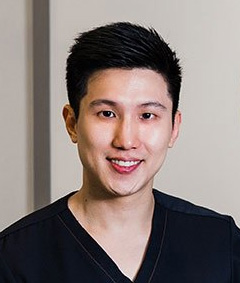
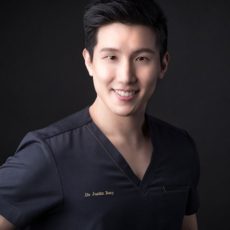
At Sozo Aesthetic Clinic, Dr. Justin Boey may provide clinical input for international patient enquiries where appropriate. His practice focuses on non-surgical aesthetics, including facial ageing, acne scar treatment, and hair loss concerns, so his review can help flag what needs closer discussion before you make travel plans.
This early review does not replace a face-to-face consultation. This helps the doctor tailor your goals, timing, and healing plan perfectly before you move forward with any next steps.
Clinic and Doctor Verification in Singapore
Before you travel, take time to check the clinic and doctor. This helps you understand who will assess you, where the treatment will take place, and whether the clinic operates under Singapore’s healthcare requirements.
Start with the basics:
- Clinic licence
- Doctor’s registration
- Relevant treatment experience
- Consultation process before treatment
- Clear communication before booking or payment
You should also look at whether the doctor’s background fits the treatment you are considering. A registered doctor may have broad medical training, but the more useful question is whether their day-to-day work matches your concern.
For example, Dr Justin Boey, Medical Director of Sozo Aesthetic Clinic, holds an MBBS from the National University of Singapore and Ministry of Health-approved Certificates of Competence in Aesthetics. He also serves as Vice President of the Society of Aesthetic Medicine (Singapore) and is a physician trainer for botulinum toxin and dermal fillers.
For international patients, this information helps with a more meaningful check. You are not just confirming a clinic name or address. You are checking whether the doctor’s training, registration, and area of practice are relevant to the treatment you are travelling for.
You should verify the clinic and doctor before you travel, not after flights are booked. This gives you time to confirm the doctor’s registration, treatment scope, suitability process, and follow-up arrangements before committing to payment, accommodation, or a fixed recovery schedule.
Travel Timing and Recovery Planning
Treatment should not be squeezed between flights or a packed travel schedule. Arrange your trip around four stages: before arrival, treatment day, recovery window, and before departure.
Below are the practical things to plan around:
1. Before Arrival
Try not to book treatment on the same day you land. A long flight, poor sleep, or dehydration can make treatment decisions harder.
Pick a place near the clinic where you can actually rest. If it is too far or too noisy, going back for a check can feel like a hassle.
2. Treatment Day
Plan your transport before the appointment. You may not feel like walking around, waiting for rides, or figuring out directions after treatment.
Keep the rest of the day free. Though your procedure is fast, your doctor recommends plenty of rest and care to handle swelling while you heal up properly.
3. Recovery Window
Ask how long you should stay in Singapore after treatment. Some procedures may cause redness, swelling, bruising, peeling, scabbing, or tenderness, and these changes can take time to settle.
You may also need a review before flying home. A very short trip can become stressful if the clinic needs to check your healing before you leave.
4. Before Departure
Avoid booking your final clinic visit right before your flight. You need time for your doctor to check wounds, swap bandages, or update your advice.
If recovery slows, you must be ready to change your schedule. This is vital for any treatments involving heavy swelling, broken skin, or multi-step healing stages.
Flying After Treatment: Key Safety Points
Plan your return flight based on how your body feels after treatment. Even a quick trip home feels rough if you are still sore or swollen.
Below are the flight-specific risks to consider:
- Pressure changes during the flight: Cabin pressure may make swelling, tightness, or discomfort more noticeable in recently treated areas.
- Long periods of sitting: Staying seated for too long can make swelling or stiffness worse, especially after treatments on the face, body, or legs.
- Dry cabin air: Dry air may irritate treated skin or make the area feel tighter than usual.
- Managing discomfort mid-flight: Pain, sensitivity, or tightness may be harder to manage when you are confined to your seat.
- Limited medical support. It may be difficult to get immediate medical help if symptoms worsen during the flight.
- Aftercare access. Keep prescribed creams, dressings, or medicine in your hand carry if you need them during travel.
Cost And Payment Considerations For International Patients
Cost is easier to manage when you know what to ask before you travel. A clear quote helps you plan your budget and avoid surprises after your consultation.
Check these clinic payment details:
- Consultation fees: Ask whether the first consultation is charged separately or included in your treatment plan.
- Treatment quote: Check what the quoted price covers, including the procedure, medication, review visits, or aftercare items.
- Deposit requirements: Ask if a deposit is required to book your slot and whether it is refundable.
- Payment methods: Ask if the clinic accepts international cards, bank transfers, or other payment options.
- Currency and bank charges: Prices are usually charged in Singapore dollars, so check exchange rates and foreign transaction fees.
- Extra costs: Ask about possible add-ons, such as tests, medication, extra sessions, or follow-up reviews.
- Cancellation or rescheduling fees: Check the clinic’s policy before booking flights or accommodation.
- Receipts and records: Keep copies of invoices and receipts in case you need them for insurance or personal records.
Post-Treatment Care and Follow-Up After Leaving Singapore
Your care does not end when you leave Singapore. Healing in that area can continue changing over the following days or weeks.
Follow the clinic’s aftercare instructions closely. Keep the area clean, avoid unnecessary irritation, and keep your routine simple while it heals.
Keep your phone and email open for follow-up. The clinic may ask how you are healing or request an update.
You may need to send photos during recovery. Use good lighting and keep the same angle every time you shoot.
Check the area daily and notice how it feels. Mild redness or swelling can happen, but pain that gets worse, discharge, or sudden changes should be reviewed.
Message the clinic early if something does not feel right. A short update or clear photo may be enough for the clinic to advise you on what to do next.
You should report recovery changes early, especially worsening pain, swelling, discharge, fever, or unusual colour changes. Delayed updates can make it harder to tell whether your symptoms are part of expected healing or need medical attention.
Conclusion
Planning ahead gives you more control over your treatment trip, especially when clinic reviews, travel documents, recovery time, and aftercare all need to fit together.
For international patients, proper protocols help you know what to prepare, what the clinic may check, and how much time you may need around treatment.
Clear communication before arrival can also reduce avoidable stress around costs, suitability, follow-up, and whether your return flight leaves enough time to recover.
If you are planning non-surgical aesthetic treatment in Singapore, you may contact Sozo Aesthetic Clinic to arrange an assessment before confirming your trip.