



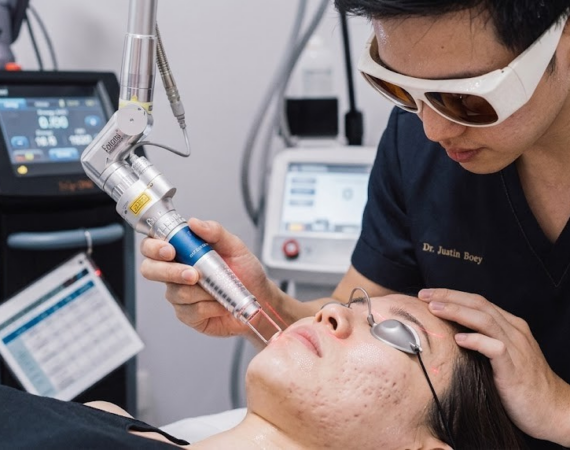
Interventions for acne scarring can feel urgent when every mirror, photo, and harsh overhead light seems to pull your attention straight back to the marks you hoped had faded by now. The Cochrane database of systematic reviews looks at interventions for acne scarring through a stricter lens than most...
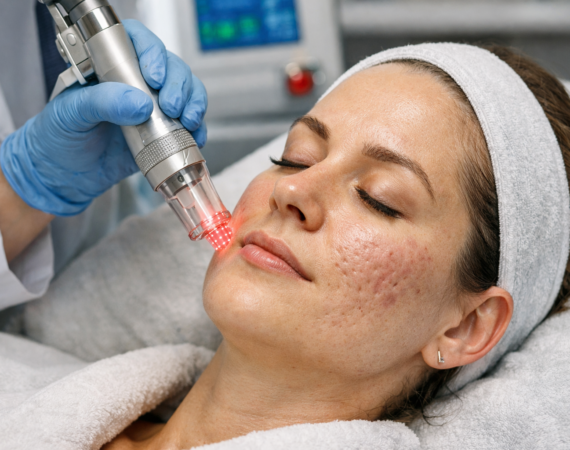
ASDS Consensus Recommendations for Acne Scar Treatment (American Society for Dermatologic Surgery)
Acne may have cleared, but the scars can stay much longer, and when you start researching what can actually help, ASDS consensus recommendations for acne scar treatment can sound important without always being clearly explained.ASDS consensus recommendations for acne scar treatment are often referenced when trying to understand how doctors...

Single-Modality Treatment Failure in Mixed Scar Morphology: The Case for Multimodal Protocols
Single-modality treatment failure in mixed scar morphology often becomes obvious when one treatment improves part of your acne scars, but leaves the rest behind. This happens because mixed scar patterns do not behave as one problem. A treatment that helps surface texture may not release tethered scars, while a...
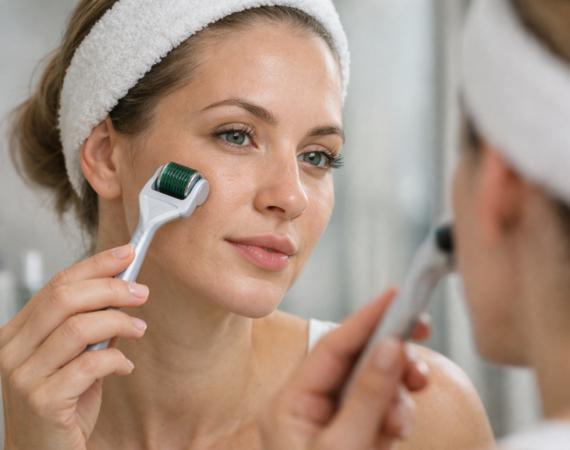
Limitations of Home Microneedling Devices: Depth and Sterility Constraints
Many people only notice the limitations of home microneedling devices after putting in time, effort, and hope, only to find that the skin still looks much the same. Shallow depth, uneven pressure, and non-sterile everyday handling can all limit how much these devices are able to do. In...

Chemical Peels vs. Laser Resurfacing: Cost-Effectiveness Analysis
For Singaporeans, comparing chemical peels vs. laser resurfacing is not just about appearance, but about finding a treatment that fits real life, real budgets, and real expectations. In the world of aesthetics, chemical peels are often chosen for surface-level concerns such as dull skin, mild pigmentation, and early texture...

Isotretinoin Washout Period Before Resurfacing Procedures: Timing, Risks, and Safety
Resurfacing may feel like the next step after isotretinoin, but the washout period before treatment can make all the difference to how well your skin heals. Isotretinoin is a powerful oral retinoid that treats severe or persistent acne, and the washout period before resurfacing matters because treatment too soon can cause slower...
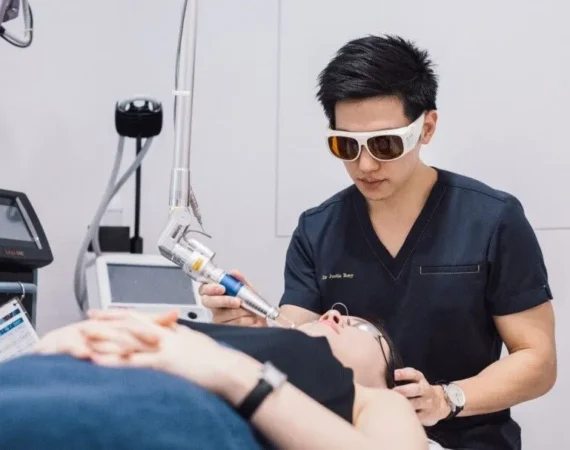
Thermal Damage Zones Fractional CO2 Laser: Safe Fluence Thresholds To Prevent Scarring
When fractional CO2 laser settings go too far, the thermal damage zones created in the skin can turn a scar treatment into a longer recovery problem. Thermal damage zones in fractional CO2 laser are tiny columns of controlled heat injury, and a conservative limit is often around 10–20 mJ...

Evidence-Based Acne Scar Treatment: What Published Studies Show Works
Every acne scar tells a different story, and choosing an evidence-based treatment can help you move forward without relying on guesswork or repeating what did not work before.Evidence-based acne scar treatment means choosing options based on peer-reviewed studies, measurable outcomes, and medical judgment rather than marketing language or before-and-after claims...

Silicone Gel Sheeting for Hypertrophic Acne Scarring
Acne can heal, but hypertrophic scarring can remain raised, stubborn, and hard to ignore, and one of the most well-known treatments for this is silicone gel sheeting. Silicone gel sheeting is a medical-grade, occlusive dressing that seals in hydration, protects the scar surface, and creates the conditions needed to...
Combination Protocol: Fractional Laser + Subcision for Mixed Scar Morphology
Even the most technologically advanced scar treatment can fall short when mixed morphology is involved, which is why doctors might use Fractional Laser + Subcision for more complex cases. Like most people, you probably have mixed scar morphology, and one effective approach is a combination protocol using fractional laser and...