


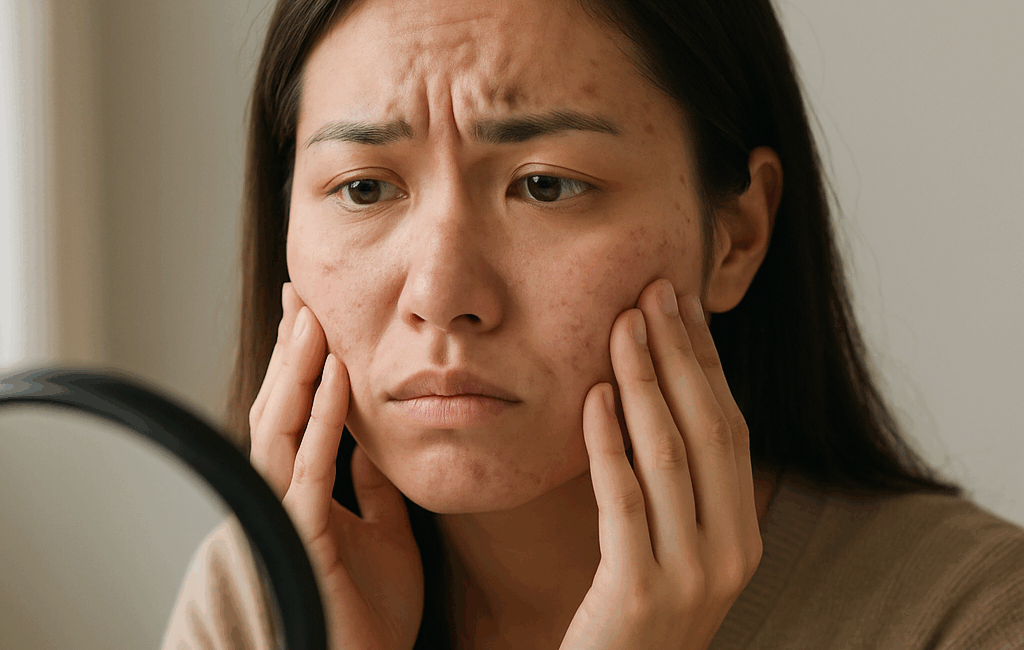
You’ve followed every instruction. Attended the sessions, applied the aftercare, and given it time. The scars are still there.
If your acne scar treatment isn’t working, this is not a sign that improvement is impossible. Collagen repair is a slow, layered biological process — and progress depends on whether the right treatment is targeting the right scar type at the right depth.
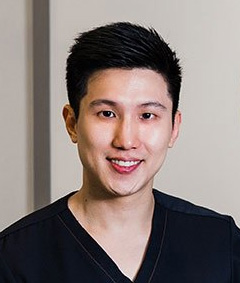
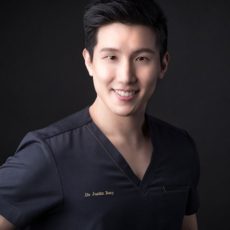
This page explains the most common reasons treatments fall short, what happens when laser specifically doesn’t deliver, and how Dr Justin Boey, Medical Director at Sozo Aesthetic Clinic in Singapore, approaches cases that have not responded to previous treatment.
4 Common Reasons Acne Scar Treatments Fail
Before concluding that a treatment has failed, it helps to understand what actually causes slow or absent results. Most cases come down to one of four factors — and identifying which one applies to your skin determines what comes next.
Wrong Treatment for Your Scar Type
Each scar type forms at a different depth and through a different mechanism. No single device or technique can correct all of them at once — and when the treatment doesn’t match the scar structure, the skin doesn’t respond regardless of how many sessions are completed.
Here is how the main scar types map to the treatments that work best for them:
- Ice pick scars — narrow, deep channels that require TCA CROSS or punch excision to reconstruct from the base
- Boxcar scars — defined edges that respond to fractional CO₂ laser or RF microneedling for resurfacing and softening
- Rolling scars — caused by fibrous bands tethering the skin downward; subcision to release the band must happen before resurfacing can lift the surface
- Mixed scars — a combination of types across the face, requiring at least two different techniques across multiple sessions
When the tool doesn’t match the problem, the skin doesn’t respond — and further sessions with the wrong treatment won’t change that.
Insufficient Sessions
Collagen remodelling takes months. A single session of fractional CO₂ laser or INFINI RF Microneedling stimulates new collagen production, but that collagen takes weeks to mature and strengthen. A second session builds on what the first one started.
Most treatments require between three and ten sessions, depending on scar type and severity. Patients who stop after one or two are stopping at exactly the point where the biological foundation is being laid — before the compound effect has had a chance to show.
Poor Aftercare and Sun Exposure
Treated skin is rebuilding collagen and renewing its surface layer. Sun exposure during this period can trigger post-inflammatory pigmentation that masks improvement and adds a new problem on top of the original one. Harsh actives, skipping moisturiser, or long gaps between sessions all slow the skin’s ability to recover.
To support proper healing between sessions:
- Use daily broad-spectrum sun protection.
- Avoid exfoliants, scrubs, and strong actives until the skin has stabilised.
- Keep the skin moisturised with gentle products.
- Cleanse with mild formulations only.
- Follow the recommended treatment schedule without long gaps.
Under-Powered Devices
Not all devices that share a treatment name are equivalent. Energy settings, pulse duration, spot size, and pass count all affect whether the treatment reaches the depth needed to stimulate meaningful collagen. Devices that are improperly calibrated or operated below the effective energy threshold deliver heat or light without achieving the collagen stimulation threshold needed for visible scar improvement.
Gentle settings protect the skin — particularly important for higher Fitzpatrick skin types — but they also reduce the strength of the resurfacing effect. An under-powered session isn’t just ineffective — it can give patients the false impression that the treatment type itself doesn’t work for them, when the issue was with how it was applied.
Doctor’s Note:
“An essential part of the in-person consultation is the clinical assessment of your scars. I assess factors such as scar depth, tethering, and tissue quality that influence treatment decisions. This precise assessment can lead to better final results, lower risk, and more efficient use of your budget.”
— Dr Justin Boey, Medical Director, Sozo Aesthetic Clinic
Why One or Two Sessions Are Rarely Enough
Acne scars form at different depths and through different mechanisms. A rolling scar sits at a different layer to an ice pick scar; a boxcar scar has different structural needs to a shallow surface irregularity. No single procedure can reach every level safely in one visit — which is why one-session fixes are not just unrealistic, they can be actively harmful.
Collagen repair also moves through three distinct phases: a controlled inflammation response that initiates healing, active collagen production by fibroblasts in the dermis, and long-term remodelling that can continue for months. Each phase depends on the one before it, and can only produce a limited amount of new structure at a time. Sessions spaced four to six weeks apart allow each phase to run its course before the next treatment adds to it.
There are also hard safety limits per session, especially for Asian skin types (Fitzpatrick III–V). Fractional CO₂ lasers cannot be used at high density in a single visit without risk of burns or post-inflammatory hyperpigmentation. Subcision cannot release every fibrotic band at once without causing excessive swelling or bruising. Multiple, controlled sessions allow the skin to recover properly between treatments, reduce complication rates, and produce more consistent improvement over time.
Patients who complete one or two sessions and stop are not failing — they’re stopping at the foundation stage. The most visible improvement typically emerges from session three onwards, and continues to mature for months after the final session as collagen strengthens and integrates.
Doctor’s Note:
“We take photos at every session to track healing over time, monitor collagen response, and adjust treatment plans based on how your skin progresses.”
— Dr Justin Boey, Medical Director, Sozo Aesthetic Clinic
What to Do After a Failed Laser Treatment
Laser treatment is effective for many acne scar types — but it has specific limitations. Understanding them helps identify what to do next rather than simply repeating what didn’t work.
Pico Laser Limitations
Pico laser delivers energy in ultra-short pulses, which limits heat transfer to surrounding tissue. This makes it safe and effective for surface-level textural improvement and post-inflammatory pigmentation — particularly for Asian skin types where heat-based treatments carry a higher risk of post-treatment darkening.
Its limitation is depth. Pico laser is non-ablative — it works without removing the outer skin layer, which means it cannot reach the dermis where the fibrous bands causing rolling scars and the channels forming ice pick scars are located. If your scars are structural rather than textural, Pico laser alone will not resolve them. It can smooth and brighten; it cannot release tethering or reconstruct deep channels.
Fractional CO₂ Laser Limitations
Fractional CO₂ (including EdgeOne and ECO2 Plus) is ablative — it removes columns of tissue to a controlled depth and triggers significant collagen remodelling. For surface texture, boxcar scar edges, and moderate rolling scars, it is one of the most effective tools available.
Its limitation is that it cannot address tethering. A rolling scar caused by a fibrous band anchoring the skin downward cannot be resolved by ablating the surface above it. Subcision — a procedure that physically severs the tethering band — is required first. Without it, CO₂ laser improves what’s on top while leaving the root cause intact. For darker skin tones, energy must also be carefully calibrated to reduce post-inflammatory pigmentation risk.
Some scars require structural correction before any resurfacing laser can create visible improvement. Effective combination approaches include:
- Subcision + fractional laser — for rolling scars: release the tethering band first, then resurface
- TCA CROSS + fractional laser — for ice pick or narrow boxcar scars: reconstruct the base, then smooth the surface
- Fillers + fractional laser — for deeper depressions with volume loss: restore structure, then refine texture
- Punch excision + targeted resurfacing — for isolated, resistant scars that do not respond to energy-based treatments alone
Device Calibration Issues
A laser’s outcome depends not just on the technology but on how it is set up and operated for each patient. If a device is poorly maintained, improperly calibrated, or set to conservative parameters to minimise recovery time, the session may generate heat without therapeutic effect.
If you have completed more than three sessions of a particular laser treatment with no visible improvement at all, asking about the specific energy settings, density, and number of passes used at your previous clinic is a reasonable first step in a second-opinion consultation.
How Sozo Approaches Difficult Cases
Some patients arrive at Sozo having already completed treatment elsewhere. Their scars may be more severe, their skin tone may require modified protocols, or their skin may simply not be responding to standard approaches. Sozo offers combination treatments for acne scars and a structured assessment process to identify what has been missed and what can be done differently.
Severe Scarring
Patients with severe scarring — across multiple scar types, spanning large areas, or involving significant volume loss — require a staged, multi-modality approach. A single treatment will not address the full picture.
At Sozo, severe scarring is assessed using a structured scar-mapping process. Dr Justin Boey identifies which scar types are present, which skin layers they sit at, and which sequence of treatments will address them most efficiently. This typically involves treating deep structural issues first — subcision for rolling scars, TCA CROSS for ice pick scars — and then using resurfacing treatments such as fractional CO₂ or INFINI to address surface texture across subsequent sessions. Treatment is spread over months, with photographic documentation at each stage.
Skin of Colour
Patients with Fitzpatrick skin types III to V — common across East Asian, Southeast Asian, South Asian, and mixed heritage backgrounds — require modified treatment protocols. Heat-based treatments that are standard parameters for lighter skin tones can trigger post-inflammatory hyperpigmentation (PIH) in darker skin, where melanocytes are more reactive to thermal stimulation.
This doesn’t mean treatment is less effective. It means parameters must be carefully adjusted, and the plan may involve more sessions at lower energy or a preference for non-ablative options over ablative ones. For patients who have previously experienced post-treatment darkening, a reset protocol is discussed before resuming scar treatment.
Hypertrophic and Keloid Tendency
Patients whose skin produces excessive scar tissue — hypertrophic scars that are raised and firm, or keloid scars that grow beyond the original wound boundary — require a different treatment pathway entirely. Standard fractional laser or microneedling that stimulates collagen production can worsen these scars by triggering further excess collagen.
Treatment for this group focuses on reducing and flattening existing raised scars before addressing any underlying atrophic ones. A clinical assessment to distinguish between genuinely keloid-prone skin and normally healing skin that has been over-treated is the essential first step.
Doctor’s Note:
“Depending on your skin and individual risk factors, we might recommend certain treatments, such as subcision with fillers, over other treatment methods.”
— Dr Justin Boey, Medical Director, Sozo Aesthetic Clinic
Treatment Options, Sessions, and Expected Timelines
Each treatment targets a different layer of the skin. Sessions build cumulatively — visible improvement typically begins from session three onwards and continues for months after the final session as collagen matures.
| Treatment | Sessions | Best For | Downtime |
|---|---|---|---|
| Pico Laser (non-ablative) | 4–6 | Brown scars, shallow rolling scars | Minimal |
| Fractional CO₂ (EdgeOne / ECO2 Plus) | 5–10 | Boxcar scars, rolling scars | 7–10 days |
| Subcision | 2–4 | All scar types, especially rolling scars | Bruising 3–7 days |
| TCA CROSS | 2–4 | Ice pick scars | Crusting 5–7 days |
| INFINI Fractional RF Microneedling | 3–6 | Deep rolling scars | 2–5 days |
| EndyMed FSR | 3–5 | Shallow rolling scars | 3–5 days |
| Polynucleotide (PN) Injections | 3–4 (initial course) | All scars — improves healing response | Minimal |
| EnerJet 2.0 (AirJet Subcision) | 1–3 | All scars | Mild swelling 2–3 days |
When to Seek a Second Opinion
If you have completed multiple rounds of acne scar treatment and not seen the results you expected, a second opinion is a practical next step — not a last resort.
At Sozo Aesthetic Clinic, a review consultation with Dr Justin Boey includes a structured reassessment of your scar types, a review of your treatment history, and an honest evaluation of what is limiting your progress. Dr Justin Boey graduated from the National University of Singapore and holds Ministry of Health-approved Certificates of Competence in Aesthetics. He is the Vice President of the Society of Aesthetic Medicine (Singapore) and a Physician Trainer for Botulinum Toxin and Dermal Fillers with Galderma, Vivacy, and Sinclair. His clinical training spans Harvard Medical School, the American Academy of Aesthetic Medicine, the National Skin Centre, and Queen Mary University of London.
Patients who come to Sozo from other clinics are not asked to restart from zero. The goal is to understand what has already been done, identify the gaps, and build forward.
When preparing for a review consultation, it helps to come ready to discuss:
- Which treatments you have already completed, how many sessions, and at which clinic
- Whether your laser settings were ever discussed or documented by your previous provider
- Your current aftercare routine and whether you have been consistent with sun protection
- Your treatment timeline and how long you have waited between sessions and after the final one
- Any changes in your skin since treatment — including darkening, texture shifts, or new breakouts
Book a Consultation at Sozo
If your acne scar treatment hasn’t delivered results, Sozo offers a doctor-led review consultation to assess what’s missing from your current plan.
Dr Justin Boey will review your scar types, treatment history, and skin response — and provide a clear recommendation on whether to refine your existing protocol, change approach, or combine treatments for better outcomes.
Book a consultation: sozoclinic.sg/contact-us
WhatsApp Dr Boey’s team: 9610 5102
All acne scar treatment options: acne scar treatments at Sozo Clinic
References
Clinical Studies
- Li B, Ren K, Yin X, She H, Liu H, Zhou B. Efficacy and adverse reactions of fractional CO2 laser for atrophic acne scars and related clinical factors: A retrospective study on 121 patients. J Cosmet Dermatol. 2022;21(5):1989-1997. doi: 10.1111/jocd.14868. https://pubmed.ncbi.nlm.nih.gov/35181995/
- Manuskiatti W, Punyaratabandhu P, Tantrapornpong P, Yan C, Cembrano KAG. Objective and long-term evaluation of the efficacy and safety of a 1064-nm picosecond laser with fractionated microlens array for the treatment of atrophic acne scar in Asians. Lasers Surg Med. 2021;53(7):899-905. doi: 10.1002/lsm.23368. https://pubmed.ncbi.nlm.nih.gov/33326626/
- Vempati A, Zhou C, Tam C, et al. Subcision for atrophic acne scarring: A comprehensive review of surgical instruments and combinatorial treatments. Clin Cosmet Investig Dermatol. 2023;16:125-134. doi: 10.2147/CCID.S397888. https://pubmed.ncbi.nlm.nih.gov/36698445/
- Bjorn M, Stausbol-Gron B, Braae Olesen A, Hedelund L. Treatment of acne scars with fractional CO2 laser at 1-month versus 3-month intervals: an intra-individual randomized controlled trial. Lasers Surg Med. 2014;46(2):89-93. doi: 10.1002/lsm.22165. https://pubmed.ncbi.nlm.nih.gov/24018777/
- Bhardwaj D, Khunger N. An assessment of the efficacy and safety of CROSS technique with 100% TCA in the management of ice pick acne scars. J Cutan Aesthet Surg. 2010;3(2):93-96. doi: 10.4103/0974-2077.69020. https://pmc.ncbi.nlm.nih.gov/articles/PMC2956965/
Official Guidelines
- Fitzpatrick Skin Phototype Classification. StatPearls, National Center for Biotechnology Information (NCBI). https://www.ncbi.nlm.nih.gov/books/NBK481857/table/chapter6.t1/