




Knowing what to avoid after an acne scar treatment can help you work toward clear, even results.
During recovery, your skin is rebuilding collagen and repairing its barrier, making it more delicate than usual. Simple habits such as avoiding heat, friction, and harsh products can help prevent irritation and pigmentation.
Here’s how to care for your skin properly and what to skip in the days and weeks after your procedure for a smoother, longer-lasting result.
7 Activities and Habits to Avoid (and For How Long)
Right after an acne scar treatment, your skin is sensitive and vulnerable. Knowing what to avoid after an acne scar treatment may help reduce irritation, protect collagen renewal, and ensure smoother results.
Here are some activities you should avoid and for how long.
Quick Guide: Activities to Avoid After Acne Scar Treatment
| Activity / Habit | How Long to Avoid |
|---|---|
| Sun and Heat Exposure | 2 to 4 weeks |
| Exercise and Sweating | 48 to 72 hours |
| Makeup and Cosmetics | 24 hours to 7 days |
| Swimming and Steam Exposure | 7 to 10 days |
| Picking, Exfoliating, or Touching | 7 days or until healed |
| Masks and Friction | 3 to 5 days |
| Alcohol and Smoking | 48 to 72 hours |
-
Sun and Heat Exposure – 2 to 4 Weeks
Freshly treated skin is more reactive to UV rays and heat. Even short exposure can trigger pigmentation or delay recovery.
Avoid direct sunlight, hot yoga, and saunas for at least two to four weeks. Once healed, apply broad-spectrum SPF 50 daily and reapply regularly, especially in Singapore’s strong sun.
Avoid direct sunlight and heat for at least two to four weeks, if possible.
-
Exercise and Sweating – 48 to 72 Hours
Intense exercise raises body temperature and causes sweating, which may irritate healing skin or reopen microchannels.
Avoid vigorous workouts for two to three days. Light walking is fine once redness subsides. After exercise, rinse gently with cool water and a mild, fragrance-free cleanser.
-
Makeup and Cosmetics – 24 Hours to 7 Days
Do not apply makeup until the skin barrier has fully recovered. For non-ablative treatments, wait 24 to 48 hours.
For deeper resurfacing, allow seven to ten days. Use mineral-based, fragrance-free products and clean tools to reduce the risk of irritation or clogging.
-
Swimming and Steam Exposure – 7 to 10 Days
Avoid chlorinated pools, seawater, and steam rooms for at least a week. Moisture and heat can slow repair and increase infection risk.
Wait until the skin feels smooth and intact before swimming again. Apply a light, non-comedogenic moisturiser to help minimise irritation.
-
Picking, Exfoliating, or Touching the Skin – 7 Days or Until Healed
Flaking or peeling is normal as new cells form. Avoid picking, rubbing, or scrubbing to prevent scarring or pigmentation.
Pat gently when cleansing and use a light moisturiser to keep the skin hydrated.
-
Masks and Friction – 3 to 5 Days
Avoid tight-fitting masks, goggles, or eyewear that press on treated areas. Friction can cause redness or swelling.
Use soft, breathable materials and change masks frequently to maintain hygiene and allow the skin to heal evenly.
-
Alcohol and Smoking – 48 to 72 Hours
Alcohol and smoking can impair circulation and slow down the body’s natural healing process. Both can increase swelling and redness after treatment.
Avoid for at least two to three days, or longer for deeper procedures, to support better collagen formation and recovery.
5 Product Ingredients to Pause Temporarily
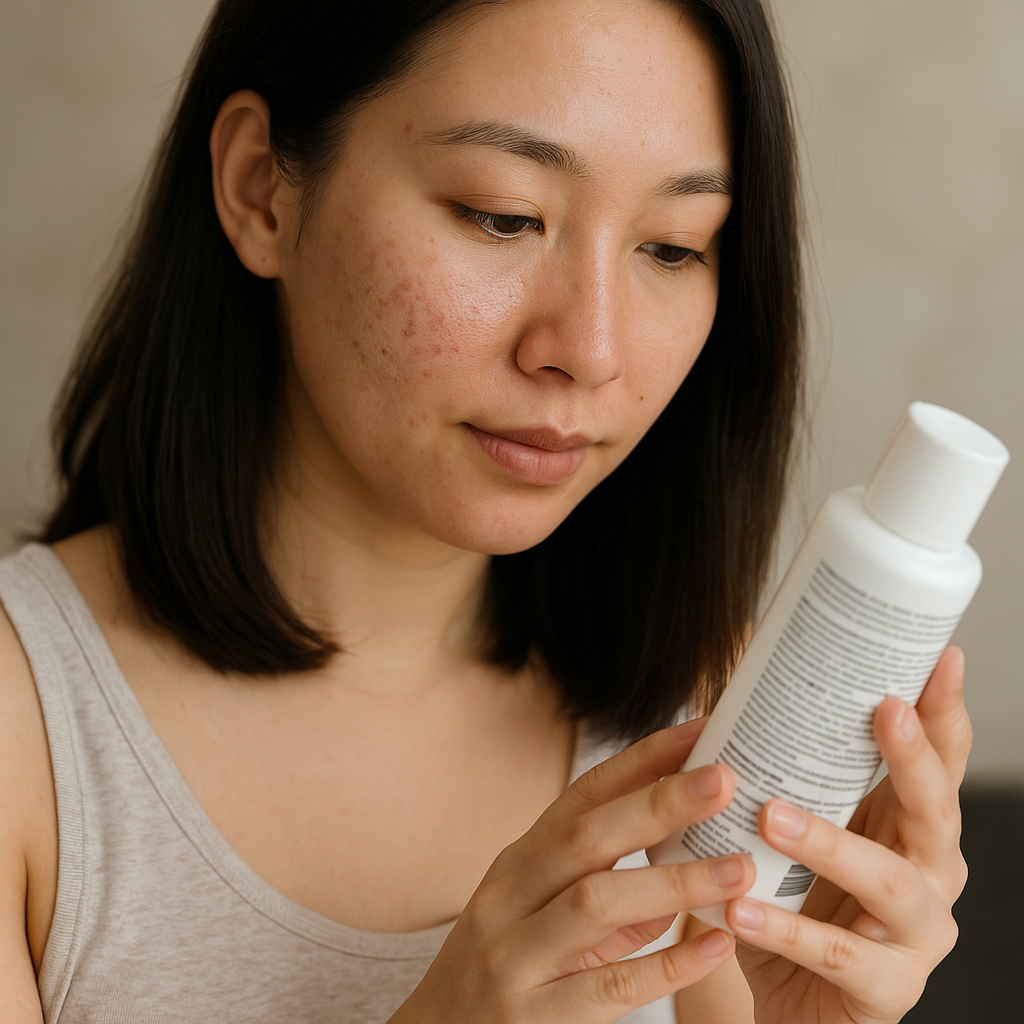
After an acne scar procedure, your skin needs time to rebuild its barrier and stay hydrated.
Some everyday skincare products can be too harsh right after treatment. Taking a short break from them may support a more comfortable recovery.
Quick Guide: Skincare Products to Avoid
| Product Type | Examples | How Long to Avoid |
|---|---|---|
| Facial Cleansers with Exfoliating Ingredients | Scrubs, foaming or acid-based cleansers | 5–7 days (non-ablative) or 2–3 weeks (ablative) |
| Serums with Active Ingredients | Vitamin C, acne control serums, brightening serums | 1–2 weeks, or until skin feels smooth |
| Toners and Alcohol-Based Products | Astringent toners, products with menthol or fragrance | Until redness or tightness fully subsides |
| Clay Masks and Peeling Gels | Deep-cleansing or exfoliating masks | At least 7 days, or until flaking stops |
| Sheet Masks and Essences | Hydrating or brightening sheet masks | 3–5 days, or until skin feels calm |
- Facial Cleansers with Exfoliating Ingredients – 5 to 21 Days
Cleansers that foam heavily or contain exfoliating ingredients can dry out or irritate newly treated skin.
Switch to a mild, fragrance-free cleanser for at least five to seven days after light treatments, or up to three weeks after deeper resurfacing. Once your skin feels comfortable, resume your regular cleanser gradually.
-
Serums with Active Ingredients – 1 to 2 Weeks
Brightening or acne-control serums that contain ingredients like vitamin C, benzoyl peroxide, or hydroquinone may sting during recovery.
Pause them for one to two weeks and use a hydrating serum instead. Reintroduce active serums slowly once the skin barrier is fully healed.
- Toners and Alcohol-Based Products – Until Fully Comfortable
Toners with alcohol, menthol, or fragrance can cause dryness or burning on freshly treated skin.
Replace them temporarily with gentle, alcohol-free toners or simply skip this step until your skin feels calm again.
- Clay Masks and Peeling Gels – 7 Days or Until Flaking Stops
Deep-cleansing or exfoliating masks can pull moisture from the skin and disrupt healing. Avoid these products until any flaking or peeling has stopped completely.
When reintroducing them, use only mild, hydrating masks.
- Sheet Masks and Essences – 3 to 5 Days
Even hydrating sheet masks can cause mild stinging when applied too soon. Wait at least three to five days before use.
Once your skin feels smooth and comfortable, choose fragrance-free, soothing formulas that focus on hydration and barrier repair.
How to Reintroduce Products Safely
Once your skin feels smooth and comfortable again, start adding products back in one at a time. Start with light cleansers or serums and work your way up to stronger ones.
This gradual method makes things less painful and lets your skin adjust in a comfortable way. For the best results, always do what your doctor tells you to do after surgery.
When to Call Your Doctor
Mild redness, warmth, or flaking is expected after most acne scar treatments. These are signs that the skin is actively healing. However, not every reaction is normal.
Knowing when to contact your doctor helps prevent complications and ensures that your recovery stays on track.
Normal Reactions During Recovery
During the first few days after treatment, your skin may experience minor and temporary changes as part of the natural healing process:
- Slight pinkness or redness, especially after laser or microneedling
- Mild swelling or feeling of warmth in the treated area
- Light flaking or peeling as the outer layer renews itself
- Tightness or dryness that improves with gentle moisturising
- Gradual improvement in colour and texture within a few days
Signs That Require Medical Attention
Contact your doctor promptly if any of the following occur, as they may indicate infection, inflammation, or delayed healing:
- Increasing redness, pain, or swelling beyond the third day
- Appearance of yellow crusts, fluid discharge, or worsening tenderness
- Development of fever or general discomfort
- Itching or spreading redness around the treated area
- Darkening or persistent redness lasting longer than two weeks
How Sozo Clinic Supports Your Recovery
At Sozo Aesthetic Clinic, every acne scar procedure includes detailed aftercare instructions and ongoing follow-up. Our doctors keep an eye on your progress and make changes as needed to make sure you heal safely and comfortably.
If any unusual symptoms arise, contact the clinic immediately for a professional assessment. Early guidance ensures quick resolution and the best long-term results for your skin.
FAQs
Can I sleep on my side after acne scar treatment?
For the first few nights, sleep on your back. Don’t rub the treated areas. To minimise irritation, use a soft, clean pillowcase.
Is it normal for my skin to feel rough or textured after treatment?
Yes. Mild roughness is common as old cells shed and new collagen forms. Avoid scrubbing; texture smooths naturally within a week.
Can I apply ice packs or cold compresses after treatment?
Yes, within 24 hours. Wrap ice in a cloth and apply gently for 5–10 minutes to ease heat or swelling.
When can I use a sheet mask or hydrating mask after my procedure?
Give it three to five days. Once your skin feels calm, pick a mask that doesn’t have any scents and will safely restore moisture and comfort.
Conclusion
Acne scar treatments can significantly improve skin texture and confidence, but recovery care plays an equally important role in achieving smooth, lasting results. Most post-treatment reactions are mild and temporary when managed with proper aftercare.
By following your doctor’s advice and avoiding unnecessary irritation, your skin can heal evenly and reveal its best outcome.
Complications can occur with any medical procedure. Consulting a qualified aesthetic doctor helps ensure your treatment and aftercare follow evidence-based medical standards and support a safe recovery.
If you are considering acne scar treatments or wish to learn more about aftercare suited to your skin, schedule a consultation at Sozo Aesthetic Clinic. Our medical team provides personalised recommendations to help you recover confidently and achieve smoother, healthier-looking skin.
